When you dive into the world of Facebook marketing, one of the most powerful tools at your disposal is Facebook Insights. This feature provides you with a wealth of data about your page’s performance, audience engagement, and overall reach. By familiarizing yourself with Facebook Insights, you can make informed decisions that enhance your social media strategy.
The dashboard offers a comprehensive overview of key metrics, allowing you to track how well your content resonates with your audience. As you explore Facebook Insights, you’ll notice various sections that break down your page’s performance. These include metrics such as likes, shares, comments, and overall reach.
Understanding these metrics is crucial because they provide a snapshot of how your content is performing in real-time. By regularly checking these insights, you can identify trends and patterns that inform your future posts, ensuring that you are always aligned with your audience’s preferences.
Key Takeaways
- Facebook Insights provides valuable data on audience demographics, engagement, and post performance
- Identifying target audience is crucial for creating content that resonates with the right people
- Analyzing engagement metrics such as likes, comments, and shares helps gauge the effectiveness of content
- Tracking referral traffic helps understand where the audience is coming from and which platforms are driving traffic to Facebook
- Monitoring post performance allows for adjustments and improvements based on what works best for the audience
Identifying target audience
Identifying your target audience is a fundamental step in any successful marketing strategy. On Facebook, this process involves analyzing demographic data and user behavior to pinpoint who is most likely to engage with your content. Start by considering the characteristics of your ideal customer—age, gender, location, interests, and online behavior.
By defining these parameters, you can tailor your content to meet the specific needs and preferences of your audience. Once you have a clear picture of your target audience, utilize Facebook’s Audience Insights tool. This feature allows you to delve deeper into the demographics of your followers and potential customers.
You can explore their interests, behaviors, and even the pages they like. By understanding these aspects, you can create content that speaks directly to them, increasing the likelihood of engagement and conversion. Remember, the more you know about your audience, the better equipped you are to create relevant and compelling content.
Analyzing engagement metrics

Engagement metrics are vital indicators of how well your content is resonating with your audience on Facebook. These metrics include likes, comments, shares, and reactions to your posts. By analyzing these figures, you can gain insights into what types of content are most appealing to your followers.
For instance, if you notice that video posts receive significantly more engagement than static images, it may be time to shift your content strategy accordingly. In addition to basic engagement metrics, consider the quality of interactions as well. A post with a high number of likes but few comments may indicate that while people appreciate the content, it doesn’t inspire conversation.
On the other hand, a post that generates numerous comments may suggest that it resonates deeply with your audience. By examining both the quantity and quality of engagement metrics, you can refine your approach and create content that not only attracts attention but also fosters meaningful interactions.
Tracking referral traffic
Tracking referral traffic is essential for understanding how users are finding your Facebook page and engaging with your content. This metric reveals where your audience is coming from—whether they discovered you through organic search, social media shares, or direct links. By analyzing this data, you can identify which channels are driving the most traffic to your page and adjust your marketing efforts accordingly.
To effectively track referral traffic, consider using tools like Google Analytics in conjunction with Facebook Insights. By setting up UTM parameters for links shared on Facebook, you can gain deeper insights into user behavior once they arrive on your site. This information allows you to see which posts or campaigns are most effective at driving traffic and conversions.
Armed with this knowledge, you can focus on optimizing those channels while exploring new opportunities for growth.
Monitoring post performance
Monitoring post performance is a critical aspect of managing your Facebook presence effectively. Each post you share has the potential to reach a wide audience, but not all posts will perform equally. By keeping a close eye on how each piece of content performs over time, you can identify what works and what doesn’t.
This ongoing analysis helps you refine your content strategy and ensures that you’re consistently delivering value to your audience. To monitor post performance effectively, pay attention to key metrics such as reach, engagement rate, and click-through rate (CTR). These figures will give you a clear picture of how well each post is performing in terms of visibility and interaction.
Additionally, consider experimenting with different types of content—such as images, videos, or polls—to see which formats generate the most engagement. By continuously testing and analyzing post performance, you’ll be able to create a more effective content strategy that resonates with your audience.
Utilizing demographic data
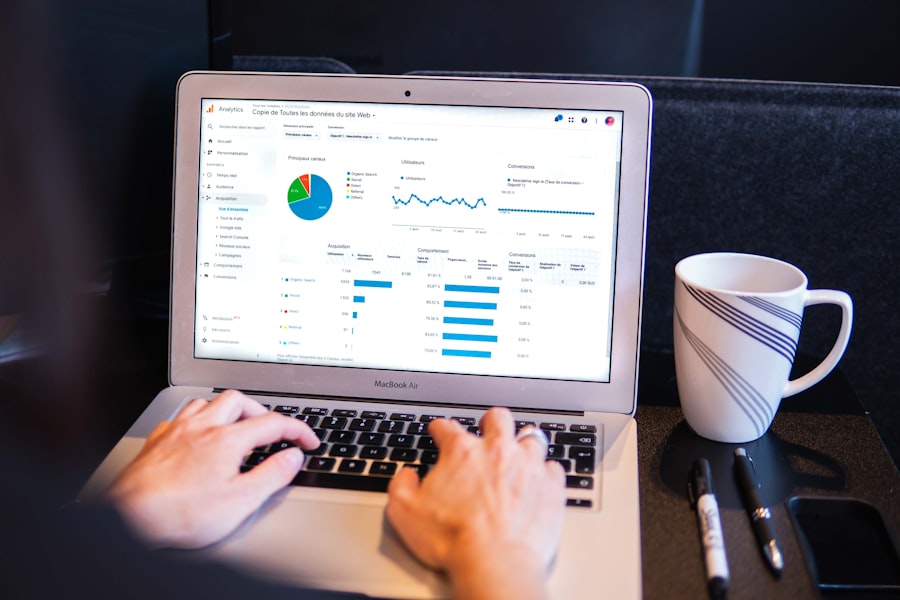
Demographic data is a treasure trove of information that can significantly enhance your marketing efforts on Facebook. By understanding the age, gender, location, and interests of your audience, you can tailor your content to better meet their needs. This data not only helps in crafting relevant posts but also plays a crucial role in targeting ads effectively.
When utilizing demographic data from Facebook Insights, look for trends that may inform your content strategy. For example, if you discover that a significant portion of your audience is between the ages of 18-24 and predominantly female, consider creating content that appeals specifically to this demographic. Additionally, use this information to segment your audience for targeted advertising campaigns.
By aligning your messaging with the interests and preferences of different demographic groups, you can increase engagement and drive conversions.
Creating targeted ad campaigns
Creating targeted ad campaigns on Facebook is an effective way to reach specific segments of your audience with tailored messaging. With the wealth of data available through Facebook Insights and Audience Insights, you can design ads that resonate with particular demographics or interests. Start by defining clear objectives for your ad campaigns—whether it’s increasing brand awareness, driving website traffic, or generating leads.
Once you’ve established your goals, use Facebook’s ad targeting options to hone in on your desired audience. You can target users based on their demographics, interests, behaviors, and even their previous interactions with your page. This level of precision ensures that your ads are seen by those most likely to engage with them.
Additionally, consider A/B testing different ad creatives and messaging to determine what resonates best with each segment of your audience. By continuously refining your ad campaigns based on performance data, you’ll maximize their effectiveness and return on investment.
Optimizing content based on insights
Optimizing content based on insights is an ongoing process that requires regular analysis and adaptation. As you gather data from Facebook Insights regarding post performance and audience engagement, use this information to inform future content creation. For instance, if certain topics or formats consistently generate higher engagement rates, consider producing more content along those lines.
Moreover, don’t hesitate to experiment with different posting times and frequencies based on when your audience is most active online. Insights can reveal peak engagement times for your followers; by aligning your posting schedule with these trends, you can increase visibility and interaction rates. Remember that optimization is not a one-time task but rather an iterative process that evolves as you learn more about your audience’s preferences and behaviors over time.
In conclusion, leveraging Facebook Insights effectively can transform how you approach social media marketing. By understanding key metrics and utilizing demographic data to identify and engage with your target audience, you can create compelling content that drives meaningful interactions. Monitoring post performance and tracking referral traffic will further enhance your ability to optimize campaigns and achieve desired outcomes.
Ultimately, by continuously refining your strategies based on insights gained from Facebook’s analytics tools, you’ll be well-equipped to navigate the ever-changing landscape of social media marketing successfully.
FAQs
What is Facebook Insights?
Facebook Insights is a tool provided by Facebook that allows users to track and analyze the performance of their Facebook Page. It provides data on the reach, engagement, and demographics of the audience, as well as insights into the performance of individual posts.
How can Facebook Insights be used in affiliate marketing?
Facebook Insights can be used in affiliate marketing to understand the behavior and preferences of the target audience. By analyzing the data provided by Insights, affiliate marketers can tailor their content and promotions to better resonate with their audience, leading to more effective affiliate marketing campaigns.
What kind of data does Facebook Insights provide?
Facebook Insights provides a wide range of data, including information on the reach and engagement of posts, the demographics of the audience, the performance of individual posts, and the effectiveness of paid promotions. This data can be used to gain insights into the behavior and preferences of the target audience.
How can affiliate marketers use Facebook Insights to improve their campaigns?
Affiliate marketers can use Facebook Insights to identify the types of content that resonate with their audience, the best times to post, and the demographics of their audience. This information can be used to optimize their content and promotions, leading to more effective affiliate marketing campaigns.
Are there any limitations to using Facebook Insights in affiliate marketing?
While Facebook Insights provides valuable data, it is important to note that it only provides information about the performance of content on Facebook. It does not provide insights into the performance of content on other platforms or the overall effectiveness of an affiliate marketing campaign.